

Carbon Removal in Apparel
Liverpool Football Club drove strong sales with a new lower carbon jersey.
Read the storyLower-carbon products can drive differentiation, strengthen brand credibility and support premium pricing with your customers.

From sourcing raw materials to final delivery, every step in the product lifecycle creates carbon emissions. Many companies are already making strides with clean energy, sustainable materials and smarter supply chains. But even with these efforts, emissions still happen. That’s where we come in.

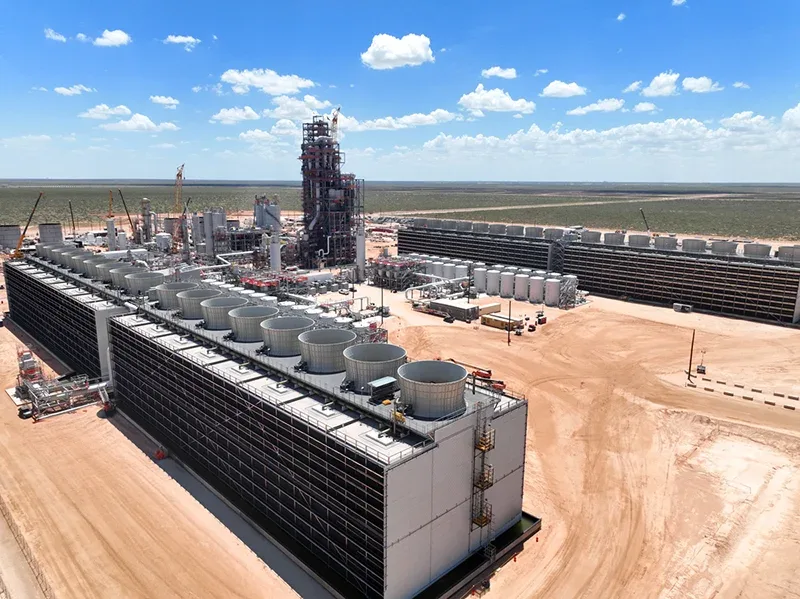
We’ve developed technology that removes CO2 directly from the air. Giant fans pull air into the facility where it is captured. The CO2 is then processed and stored deep underground.

Measurability
Know exactly how much CO2 you’re removing. With DAC, every tonne is measured, verified and accounted for.

Volume & Speed
DAC captures large volumes of CO2 quickly, helping you decarbonize your products at scale.

Durability
Captured carbon is stored safely and securely using geologic sequestration, which provides long-term CO2 storage.

Cost Efficiency
DAC provides a scalable approach to addressing residual emissions across a range of products.
Start by mapping your supply chain using tools like CarbonSig. This allows you to understand the emissions at every stage of product development, from raw materials to final delivery.
Independent third-party verification can ensure your numbers are accurate, giving you confidence in your carbon accounting.
Address your emissions by purchasing DAC Carbon Dioxide Removal (CDR) Credits. 1 CDR = 1 metric ton of CO2. For example, if your product has a carbon footprint of 10 kg per unit and you sell 100,000 units annually, you’ll need 1,000 CDR credits to address that product’s emissions.
Offer your customers a differentiated low-carbon product they can trust. With verified data, you can be transparent about your impact and help drive real change.

Hear From Our Customers
Hear From Our Customers
The fact that we’re almost sold out shows how popular this is. The sales numbers speak for themselves.

Rishi Jain
Liverpool Football Club
Liverpool Football Club drove strong sales with a new lower carbon jersey.
Read the story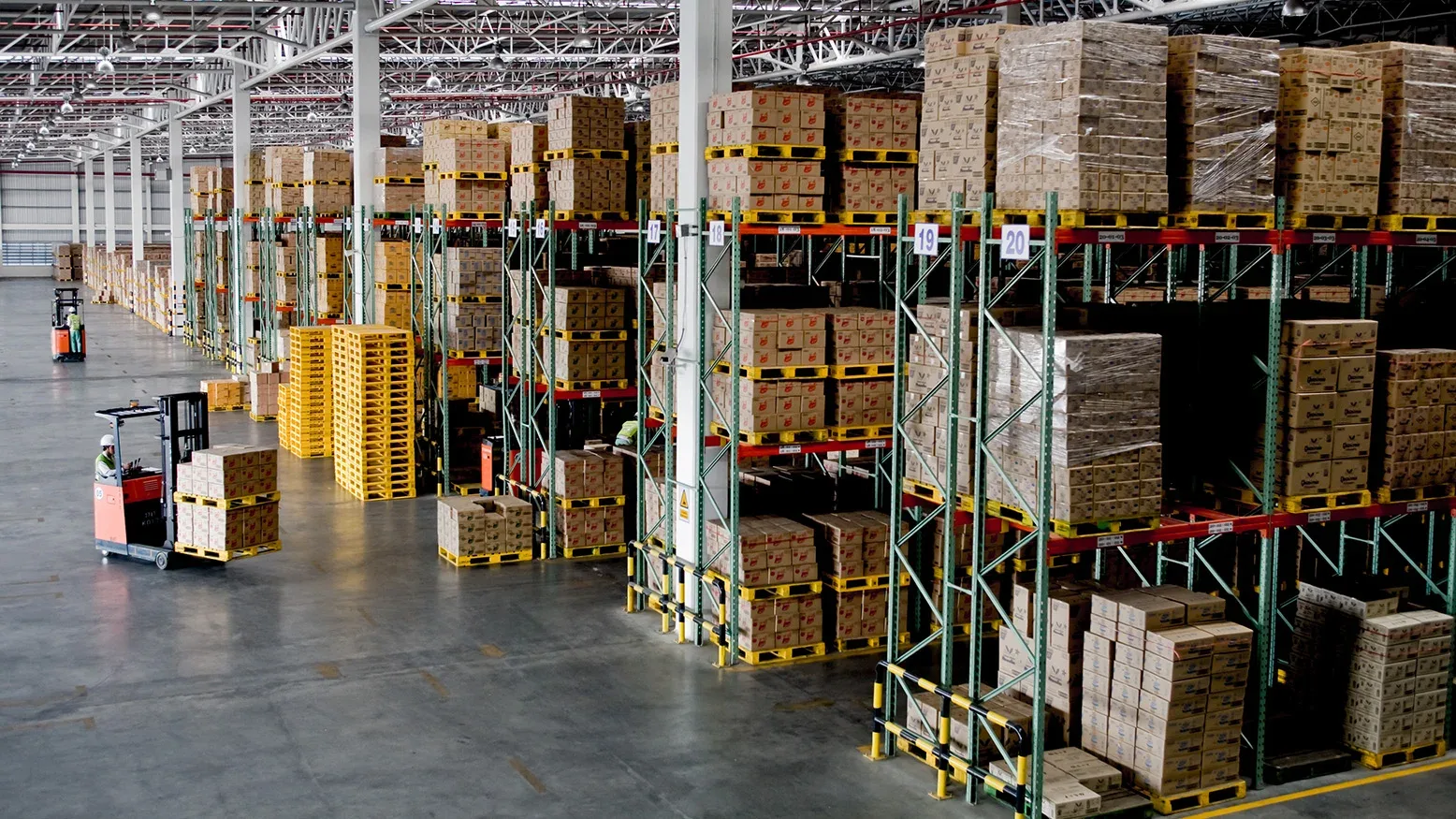
Carbon removed products help meet customer expectations.
Learn more
DAC creates economic value.
Find out howWe’re here to help! With CarbonSig, we can help by mapping your supply chain processes. This gives you a better understanding of the emissions of each stage of your product, from raw materials to final delivery, preparing you to accurately and verifiably address those emissions.
Yes, and it should! Direct Air Capture complements strategies like renewable energy in manufacturing, recycled materials and sustainable packaging. Direct Air Capture can help address the residual emissions that you haven't been able to reduce through other initiatives.
Not as much as you think! Consumers are willing to pay, on average, a 9% premium for lower-carbon products—and in many cases, the cost to address emissions can be much lower.
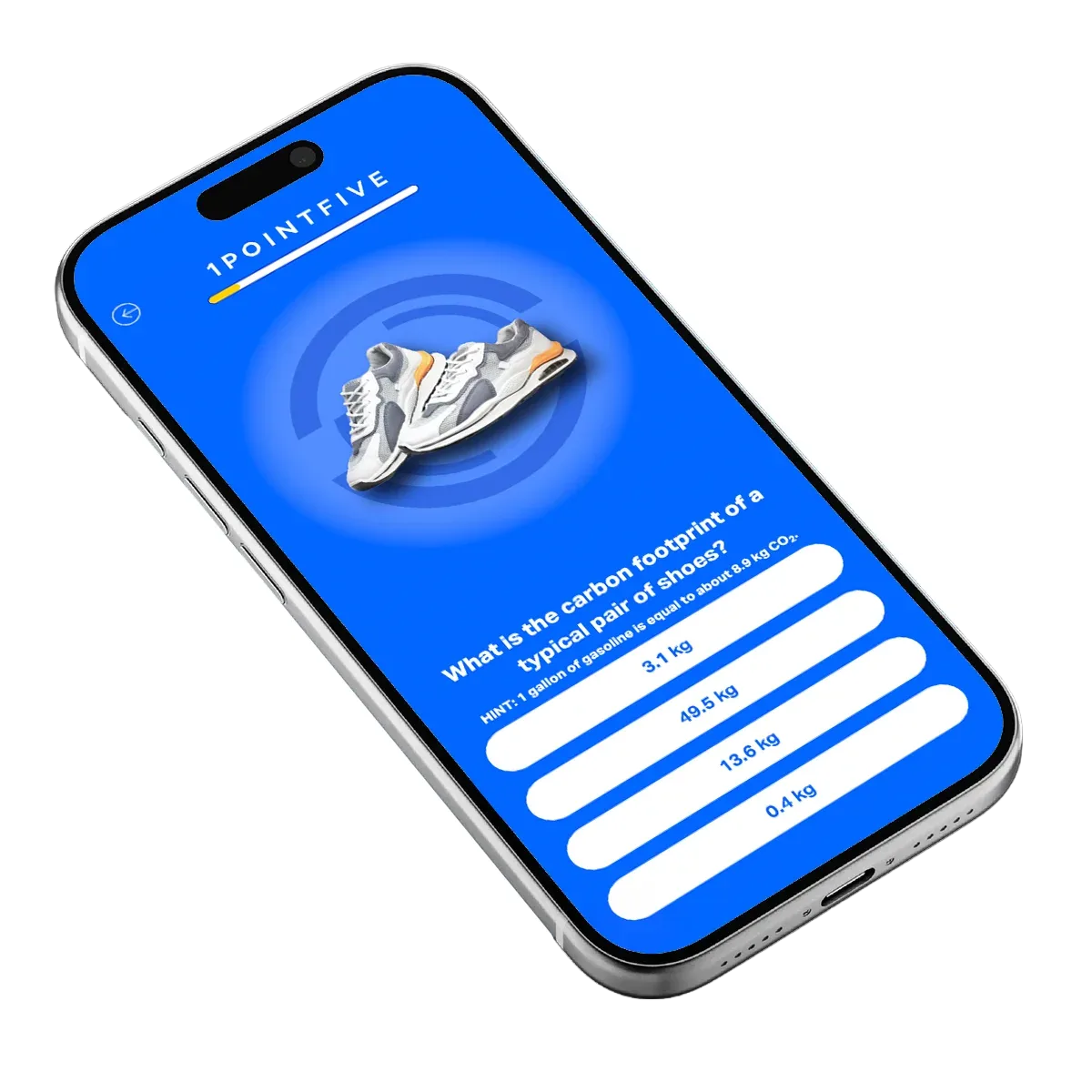
Direct Air Capture is a carbon removal technology designed to remove CO2 directly from the atmosphere. For instance, if your product is transported via ship or plane, Direct Air Capture can remove an equivalent amount of CO2 emissions directly from the atmosphere and store it securely underground. 1PointFive is developing what's expected to be the world's largest DAC facility, called STRATOS, in West Texas. This facility is designed to capture up to 500,000 tonnes of CO2 annually and could remove the equivalent emissions of over 35 million pairs of running shoes.
Direct Air Capture is one of the highest integrity solutions to address CO2 emissions. This is because Direct Air Capture is a technological solution, meaning we are able to precisely measure the amount of CO2 captured and stored. The data is collected, analyzed, verified and reported, providing clear data custody, transparency and auditability. This transparency is especially important when tying emissions removal with a particular product and allows you, as the product manufacturer, to feel confident you have addressed emissions associated with your product.
You can certainly start with one product. If you are early in your product carbon accounting journey, beginning with one product makes the most sense. This will allow you to establish the process for product carbon accounting and verification with your manufacturing process and suppliers. If you already have a good handle on your product emissions, you may consider addressing multiple products to offer a product range with a lower-carbon footprint to your customers.
Let’s talk about what it would take to address your products’ carbon impact.
Carbon removal addresses a product's carbon footprint by removing carbon dioxide (CO2) from the atmosphere equal to the amount generated during the product's creation. Carbon removal should be used in conjunction with carbon reduction. Some images on this page were created with the help of AI.